Events
This module shows how to bring people together, so they can share information and build connections
Why is this important?
Groups are our superpower. Evidence shows that groups who are Ready Together are groups who have already thought about how they come together to help each other in an emergency.
Holding an event is one way that your group can come together, to meet and talk. It can be an opportunity to discuss the best ways for your group to work through some of the other modules and learn more about resilience.
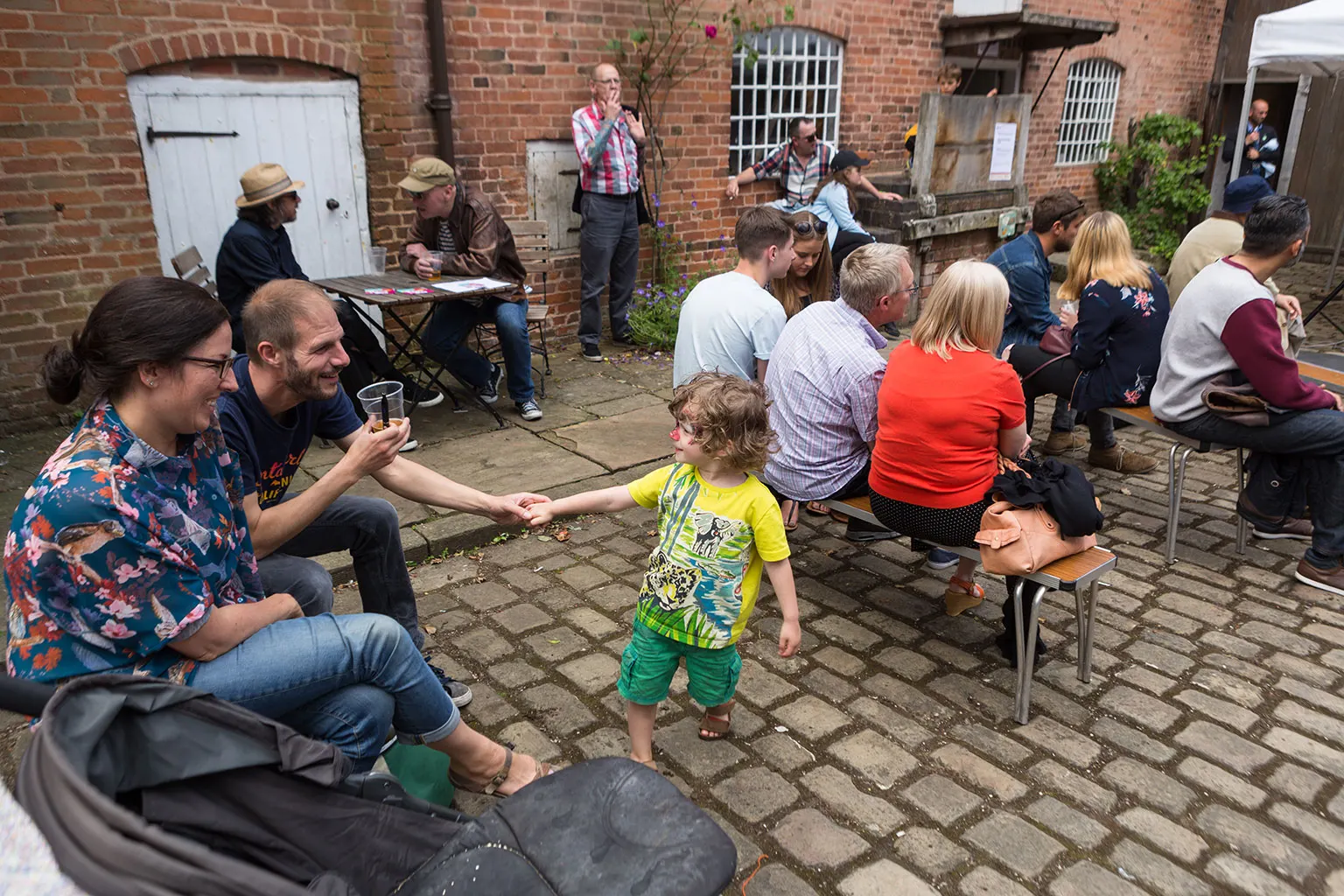
Community events help people to meet up with others and build links. These connections are very important when preparing for and responding to an emergency.
Shared events make communities stronger. They help people think about the whole group, together. This builds resilience, which means how well a community can cope with and recover from an emergency.
Community events such as in town halls or community group gatherings can also be used to share guidance on what to do if an emergency happens. This could also be with your online group.
What can my community group do?
Get to know your whole community
Start by learning more about who is in your community group. This helps you choose events that bring people together.
Think about:
- The different community groups. There may be local sports, nature, wellbeing, arts or other interest groups, voluntary and community services, and faith-based groups
- The different cultures, faiths and religions within the community
- The other community groups and partnerships. Which groups are already working together, and which groups have shared interests that could complement each other.
- The languages people speak
- Their access needs, like step-free entry or British Sign Language translation
- The places and services your community relies on. More detail on this can be found in the Places and Spaces module.
Try to use the many different connections in the community, by working with people who know the area and people in the community well.
Use events that already happen
Use your existing group events, or look for local events that already bring people together, online or in person.
These events don’t need to be about emergencies. Any regular local event can help, like:
- A local fair or festival
- A weekly or monthly market
- A coffee morning or community lunch
- A match for a local sports team
- A weekly book or craft club
- Fitness classes
- Walking groups
- Religious or cultural festivals
- Community clean-ups
- A school or family event
- A residents’ or neighbourhood meeting
Events like these help different groups in your community get to know each other. They build networks of people who stay in touch and support each other. They also build bridges between different groups, which build networks of groups.
In an emergency, these networks are very important. They help groups to think ‘we have got this’ rather than ‘we are powerless’. Being Ready Together means you are not powerless.
These community events to help people prepare for an emergency. At the event, you could:
- Talk through the other modules and how you could start to organise activities to become Ready Together as a group
- Talk about the emergencies that could affect your area and what people can do to prepare
- Share information on local risks in your Community Risk Register
- Encourage your group members to think about who might need additional help in an emergency, and who they could turn to for support
- Share simple, practical steps your group members can take at home to be better prepared.
For example:
- A youth group could organise adventure training that includes what to do in a power cut
- A pub quiz night could include a round of questions on getting ready for emergencies
- A market could have a stall where volunteers talk people through local emergency plans
- A village fete or community fair could run a “What would you do?” activity using different emergency scenarios from the Community Risk Register. This is used by your Local Resilience Forum to plan for emergencies
- A neighbourhood group could organise a walk to identify useful local places, resources and potential risks or hazards
- A community lunch or coffee morning could start a conversation about who might need or be able to offer additional support during an emergency
- A school or family event could include a simple activity where families make a household emergency plan.
- A local business network could hold a session on how businesses and communities could support each other during disruption.
These are just ideas. Be creative and do the things your group feel works for them. The list above is only a guide, your group knows their members best, do what feels right for them. Evidence shows that doing what feels right for your group is more likely to work, so it is a great idea to talk as a group about what you’d like to do.
Plan new events
Your group could also plan new events, online or in person. Ask yourselves:
- How could you bring different groups in your community together?
- What does your community still need to do to get ready for an emergency?
- Do you have a place to hold the event? Read our guide to Places and Spaces.
- Which other community groups could you work with? Can you bring together different groups that don’t know each other well, to build new connections?
- Is there any funding you could access and use?
Different kinds of groups can hold different kinds of events. Think creatively, and use food, music and activities to bring people together.
- An arts centre could hold an event on how to spot false or misleading information in an emergency. For more information on false information, see Communications.
- A community library could hold talks from experts in emergency response or insurance. It could also display useful information about emergencies and local contacts.
- Craft groups could take part in an art competition on the theme of preparing for emergencies
- Youth groups could hold power-cut themed games, like a scavenger hunt or problem-solving by torchlight. At the same time, they could talk through how to cook with no power, or how to help people who might need additional support
- Your group could practise part of its emergency plan. For example, you could test your phone tree, where each person calls one or two others to quickly pass on important information.
When planning events, make sure that you are making them inclusive and accessible. Choose a place that people can get into with a wheelchair or pushchair or for those who can’t use steps.
Make sure that the group also reaches out to people who are less likely to come to community events. Talk to them about what kind of event they would like.
Find and train trusted community champions
Some communities have people who act as community champions or neighbourhood contacts. These might be local residents, volunteers or people who are already well connected to different parts of the community.
They can play a key role in promoting preparedness at community events. In an emergency, they can also help you communicate to different parts of your community.
Your group may want to help your champions or ambassadors be seen by your community, so they could wear something that makes them easy to spot, like a high-visibility (high-vis) jacket. This helps people know who to talk to at a crowded event.
After an emergency
After an emergency, cultural events, festivals and other community activities can help people reconnect and recover. They can provide a welcoming space for people to come together, spend time with others and rebuild a sense of community.
Some communities may also choose to hold an event to remember what happened or the people affected, for example on the anniversary of the emergency. Think carefully about what will feel appropriate for the community, and make sure the event is accessible and inclusive.
For example:
- A community centre could organise a meal or afternoon of activities to bring people back together after an emergency. Local groups could contribute food, music or activities, and provide information about ongoing support for anyone who needs it
- A group could organise a creative activity, such as a photography, art, singing, acting or storytelling project, giving people different ways to reflect on their experiences and hopes for the future
- Local groups could organise regular opportunities for neighbours to meet after an emergency, helping people stay connected and strengthening the relationships that will help with ongoing support, and may be needed again in the future
- If people want to mark an anniversary, local groups could work with those affected to decide what would feel appropriate. This could be a quiet gathering, a vigil, a community event or another form of remembrance. See Places and Spaces for more information.