People and Skills
Find out what skills, knowledge and experience people in your community have, then work out how they can help each other.
Why this is important
We are much stronger when we prepare for an emergency as a community.
When an emergency happens, households who try to cope alone can come to more harm if they don't have a community network around them to help.
Community resilience relies on people helping each other and knowing they can ask for help in return.
Studies have shown that one resilient group can outperform ten prepared but isolated households. This is because people can share skills and knowledge, pool resources and divide up tasks, rather than each household trying to manage on its own. Working together also means people can spot where help is needed and respond more quickly.
What can my community group do?
Your group and your wider community will have skills and resources that can help each other in an emergency. This is true for every kind of community group, including:
- local organisations
- community centres
- faith groups
- neighbourhood associations
- volunteer groups
- youth groups
- Sports teams
- any other community group
Group members will have different skills and resources that can help in an emergency.
Find out what skills and resources people have
Start by finding out what skills and resources people in your group and community have.
People may have skills and experience that nobody has noticed. When people get real chances to help, they can grow in confidence and learn to lead. This works best when others value their skills and when they can use them to work for a shared goal for the community.
Look at:
Skills:
Find out who has:
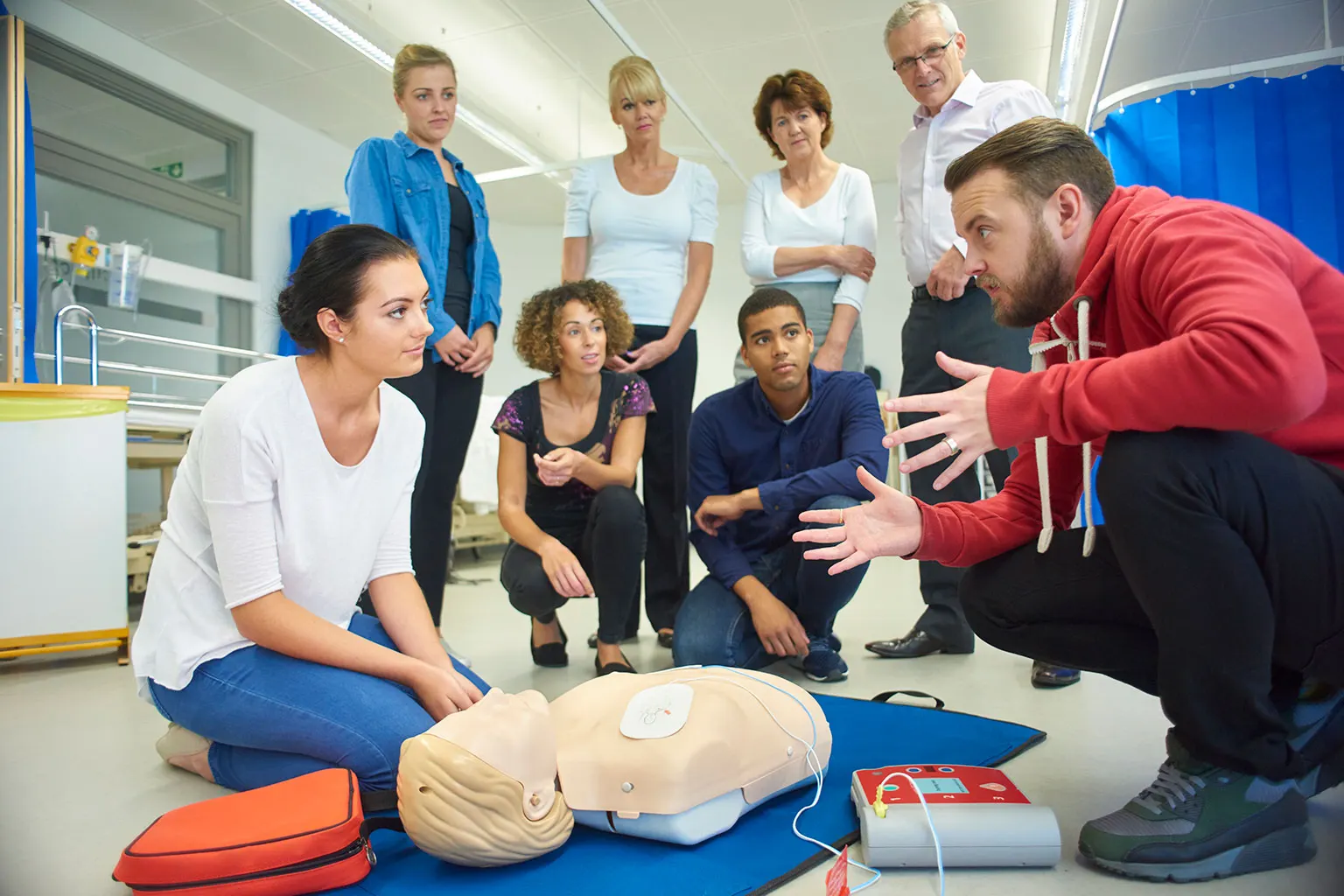
- First aid training
- Mechanical or engineering skills
- Languages and translation skills
- British Sign Language skills
- Professional knowledge that could help in an emergency
- A recognised childcare qualification
- A food preparation qualification
Work out who can do what. Agree how the group will ask each person for help. This is sometimes called a skills audit.
Resources:
Find out who has things that could be useful in an emergency, like:
- Generators
- Tools
- Extra space for storage
- Four-wheel drive vehicles
- Licensed radio equipment
- Other potentially useful things in an emergency
Are they willing to share these in an emergency? Agree before an emergency what people could share or lend, as this makes things easier when everyone is under pressure. Clear agreements help prevent arguments and they also mean more people can use the same things.
Keep reviewing this information, as people may move or learn new skills. They may get new equipment, or their equipment may break or be sold.
Find out who is happy to volunteer:
Find out who can help people who might need additional support.
Volunteers can also help people get ready before an emergency. For example, volunteers could:
- help people who find it hard to get around to get the supplies they need
- Help people who can join the [LINK to PSR site] Priority Services Register to sign up. This is a free service that makes sure that energy and water companies can support people who need additional help, for example during a power cut
- Run events to help the community prepare. See Events.
- Help with your communications plan.
Include people who are not yet involved
Try to involve other groups to be Ready Together. Include groups that are less likely to take part already.
For example, young people and people living with disabilities can often be left out of planning for emergencies, but both groups can play an important role. They will bring views and skills that can make the whole community more prepared.
Some people may see where they live as temporary. They may be less likely to join longer term community work, like getting ready for an emergency, but they can still play an important part in getting ready.
In tourist areas, visitors and seasonal workers can change what the community needs in a crisis. They can also change what skills the community has, and how many people can help.
Get to know your neighbours and other groups
As a community group, talk through how you could all reach out to the broader community around you.
Get to know other groups in the area. Read the guidance on Working with your community for more information. Joint events can be a great way to get to know each other well. More guidance on Events can be read here.
Knowing your neighbours can help a lot in an emergency. Try to learn their names, skills, and whether they are likely to need additional support.
A short, practical opening works better than general chat. Try this: “I have been thinking about what we would do to cope in a long power cut. Have you got two minutes?” A clear reason makes it easier for people to say yes.
It also helps to know which homes in your local area are empty, like empty houses or flats. This can help the emergency services send help to the right places.
Share out tasks with a rota:
Make a rota to share out tasks across your group. A rota can show who does which task, and when.
In an emergency, support the health and wellbeing of all members of your community and make sure that no one burns out from exhaustion. Loading too many tasks on to the same small number of people reduces your chances of success, and isn’t fair to them.
Taking time off work to volunteer in an emergency can also create financial stress.
Sharing out tasks with a rota can help alleviate these issues.
Think ahead about the types of tasks that might need doing, like welfare checks, reporting damage, and gaining and distributing information. Then distribute these tasks across the group. This will mean that everyone has a role, which means everyone can contribute and feel more in control of the event. It will also mean the tasks do not fall to the same people every time.
Drawing up a rota to process information for the group.
Sharing good quality information helps with planning, making decisions, keeping people motivated, and other tasks. A rota can be used to check information and share it with the wider group, such as listening to Radio 4 during a power cut, as it is the official communication channel in a power cut. This spreads the work between people and gives the group one trusted source of information. It also helps reduce the risk of sharing false or misleading information. This means that each household or group member does not need to find and check the same information on their own.
Drawing up a rota to support others
It’s a good idea to set up a system where members of the community who have additional needs can have a welfare check each day, at a specific time. This might include those who are elderly, have young children, have health conditions or who are dependent on medicines. For more information on Supporting People with Additional Needs, read that module here.
Make sure this routine is kept to, so that the expectations are clear for everyone and it is more likely to stay in place for the length of the disruption. Drawing up a rota for checks will share this responsibility between other members of the community.
REMEMBER: different cultures, religions, or gender norms can create barriers on who can visit certain homes. Your group can mitigate this by making sure that rotas take this into account, for example ensuring that female volunteers are able to support when male access is culturally restricted.
During an Emergency
When an emergency happens, your group has done the hard work of pre-designing a plan to implement. The group should:
- Put their agreed communication plan into action. See Communications. Make sure everyone is accounted for and work out what their immediate needs are.
- Share out the pre-agreed rotas and tasks.
- Share information and the source of that information (to avoid misinformation and disinformation).
- Check on group members/neighbours who may need additional support, as agreed in the check in system. See the module on Supporting People with Additional Needs for more information.
After an Emergency
Take some time to talk through the emergency.
- Which parts of your plan worked, and which didn’t?
- Were there any skills that were missing?
- Did the rota work?
Celebrate the hard work of all the volunteers, and make sure they have the support they need after the emergency by linking to your local resilience partnership. For more information on holding events including to thank volunteers, see the Events module.