Supporting People with Additional Needs
How to find out who might need more help in emergencies, and how your community can support them.
Why is this important?
Emergencies do not affect everyone equally.
Anyone can need extra support during an emergency. The type of support they need depends on:
- The type of emergency
- Their situation (such as their housing, age, and if they have a disability)
- The support they already have (such as family and care arrangements)
Knowing in advance who may need additional support helps your community be ready if an emergency happens.
How emergency planners support people who may need additional help
Every area has a group that plans for emergencies. In England and Wales this is the Local Resilience Forum. For Scotland this is Regional Resilience Partnerships, and in Northern Ireland this is Emergency Preparedness Groups.
These groups bring together emergency services, councils, the NHS and other organisations to plan for and respond to emergencies.
They are responsible for finding out who would need extra support in an emergency. This includes people who:
- are older or frail
- find it hard to move around
- have sight, hearing or other physical disabilities
- have learning disabilities, autism or communication needs
- have health needs
- depend on medicines, medical equipment or electricity
- are pregnant or have young children
- care for someone else
- have care needs themselves
- have mental health needs
- have difficulty accessing or understanding emergency information
- have limited transport, housing or financial options
- are socially isolated or have little support nearby.
What can my community group do?
We do not recommend collecting lists with personal information on who needs support.
Information about other community members, and particularly on healthcare needs, is private and protected information.
If your community is collecting any personal information, make sure you are following data protection rules, including:
- Ask permission before you write anything down
- Agree information sharing rules in advance and provide training on data use and storage.
- Keep only what you need and store it somewhere safe
- Tell people who holds a copy
- Delete someone’s details if they ask you to
- Delete the whole list when the group no longer needs it
Keeping it offline makes it easier to control who sees it. Instead, think about the types of people in your community who might need additional help, what that help could look like and how you could connect them with the right support.
Think about what support people might need
Talk with your group and broader community about what people in your community might need during an emergency.
Think about people who may:
- rely on medicine or medical equipment
- find it harder to get around
- cannot get out of bed
- be pregnant, have young children or care for someone else
- have communication needs
- People who do not speak English
- People who cannot see, are hard of hearing, or deaf
- have learning disabilities, autism or other communication needs
- be socially isolated, have limited transport or access to essential services
- live in housing not suited to their disabilities.
People’s needs can be complex and change depending on the emergency. Someone who does not usually need support may need it during a particular disruption.
An emergency might affect:
- caring arrangements and social support
- transport
- electricity needed for medical equipment
- ability to travel
- access to medication or healthcare
- access to homes, shops and services
- ways of communicating or getting information.
Sometimes emergencies can also create several problems at once. A major storm, for example, could cause flooding and a power cut. Someone may be able to manage one of these disruptions but need additional support when they happen together.
Keep checking what support people need. For example, new parents need different support before and after their baby is born.
People who did not need additional support before an emergency may need it during or afterwards. Do not assume that people known to services before an emergency are the only people who will need additional support.
Knowing your community and staying connected with different local groups can help you notice when needs change and where extra support may be needed.
Plan what help your group could offer
Think about what your community could offer. This might include:
- Making or delivering emergency food packages
- Collecting medication
- Giving advice on money and how to get financial support
- Helping with childcare
- Translating for people who speak other languages
Read the People and Skills and Money and Finances modules for more detail.
Involve a wide range of people in your planning
Involve people who may need support when working out what support should look like.
Research has shown that involving people with disabilities in preparedness has benefits including greater preparedness, empowerment and stronger collaboration.
Think about what people can do as well as what support they may need. Needing extra support does not mean someone cannot share knowledge, skills or support with others.
If you’re planning to talk through emergency plans in person, make sure that everyone can take part. Think about people who find it hard to move around, have learning disabilities, and people who are deaf or visually impaired. Where you can, let people join by phone.
You could set up a network of “community ambassadors”. These are people that come from different neighbourhoods, backgrounds, ethnic groups, faith communities, and other groups like local Disabled Peoples Organisations (DPOs). They can help with trust and inclusion.
It can be harder to reach some groups, like people who do not use the internet. Talk to people face-to-face and hand out paper information sheets. Official services and community networks can miss some people who need extra help.
Not everyone who needs help is known to services. Some people do not know their neighbours well, and some are not part of any local organisation.
To reach more people:
- Contact different organisations and communities
- Use local champions to reach communities you might not otherwise reach
- Recruit champions in an open way, so anyone can take part.
Understand why people may not ask for help.
People may not always ask for help, even when they need it. They might feel embarrassed, worry about losing their independence or privacy, not know what help is available, or feel that other people need it more.
Make it as easy and comfortable as possible for people to ask for support. You could:
- offer different and private ways to ask for help
- make it clear that it is OK to ask
- be flexible about how people access support
- use people and organisations that different parts of the community already know and trust
- give people the option of asking through someone they trust, or someone independent or neutral.
Think about who people in your community might feel comfortable approaching – it may not be your group, it might be connecting with a faith group, befriending service, youth worker, community centre or another trusted local contact.
Make spaces welcoming for everyone
If your community are helping to run a community space, make sure that everyone can use it. Check that it works for:
- People who find it hard to move around, including people with physical impairments or disabilities
- People who are blind or partially sighted
- People who are deaf or hard of hearing
- People with learning disabilities or who may need information to be clear and easy to understand
- Autistic people or people who may find noise, bright lights or busy spaces difficult
- Parents and carers with small children
- People with assistance dogs, including guide dogs.
You can also make separate spaces for people who need them, for example:
- A space to breastfeed
- A calm space to think or pray
- A quiet place when people get overwhelmed by noise and crowds.
Be friendly and do not judge people. This helps more people feel welcome in the space.
Look at our guidance on Places and Spaces for more information.
Help with welfare checks
In an emergency the official responders will carry out welfare checks on people they know need additional support. A welfare check is a visit to make sure that someone is safe and has what they need.
Before an emergency, your group could offer to help with these checks. This would mean an appropriate volunteer going with the emergency responder on the welfare call.
This can reassure the person who gets the welfare check, as the responder may be a stranger to them. A visitor they know of who lives nearby and is like them can give them a personal connection.
Your community can also organise its own welfare checks. These can work best when visits are kind and well planned, and people are notified in advance.
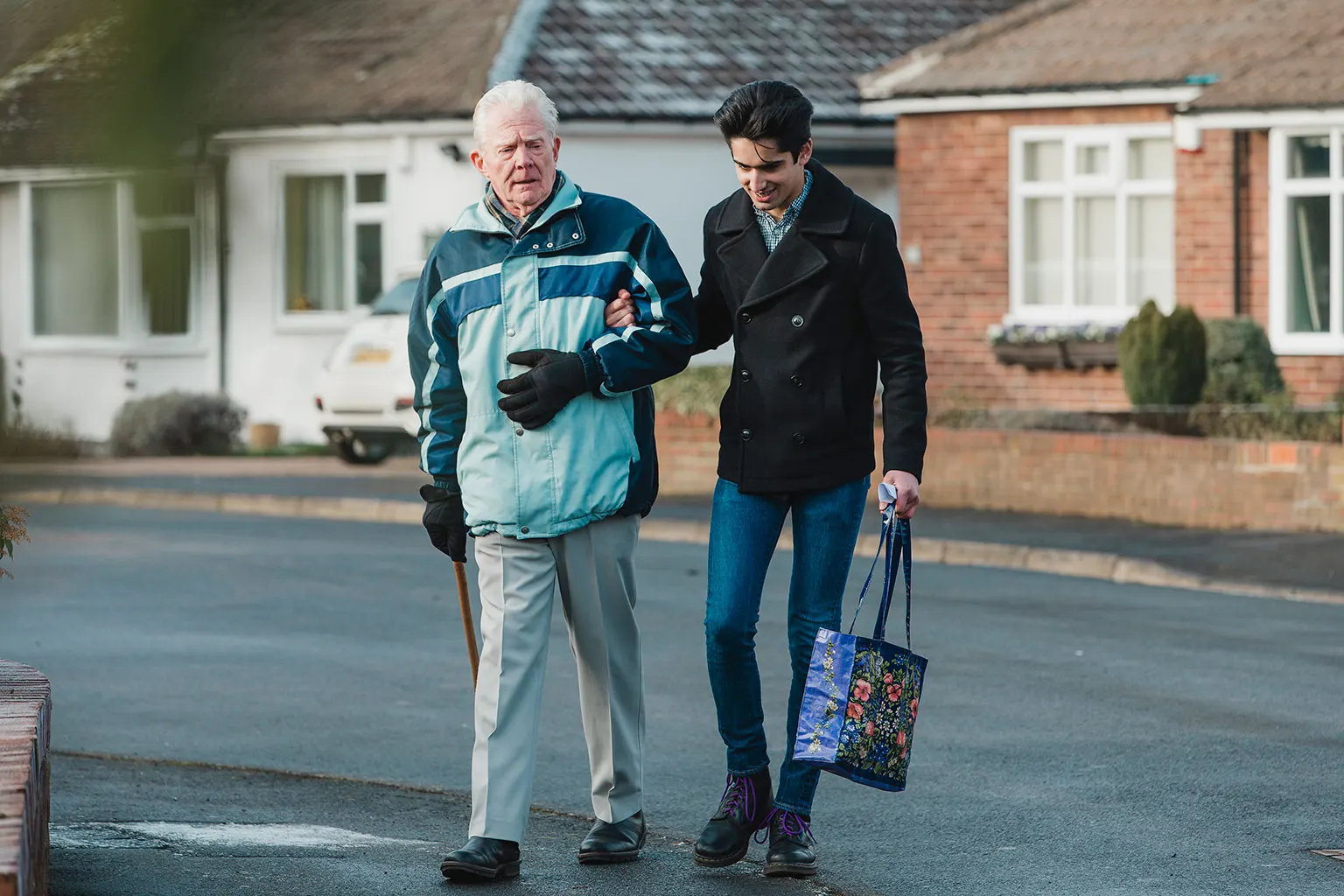
Volunteers can check on neighbours who have little contact with other people.
Also think about people’s culture and beliefs when you plan a visit.
Notify people in advance: some people may need time to prepare for what to expect. Letting them know before visiting them can reduce anxiety and help them participate more fully and confidently.
Make visits before and during emergencies. Visiting before an emergency gives you a chance to:
- Listen to their worries
- Find out what they need now
- Find out what they would need in an emergency
- Hand out paper information sheets
- Share information in other formats that are easy to understand
- Explain the information clearly, including for people with learning disabilities.
Volunteers on visits may meet people who need extra support, and they may also spot safeguarding concerns. Safeguarding means protecting people from harm, abuse or neglect.
Before any visits:
- Agree what each volunteer will do
- Agree who will supervise volunteers
- Agree how volunteers will report concerns
- Make sure volunteers are never alone with children or with adults who may be at risk of harm without supervision
Help people sign up to the Priority Services Register
The Priority Services Register is a free service. Energy and water companies use it to give extra support and advice to people who need it during an emergency.
Your community can help make sure that people who are eligible for this support have signed up, and they will need to contact their energy and water suppliers to do this.
Some people who can sign up may not know about it. Others may find it hard to sign up on their own. Your community could lead a drive to help people sign up before an emergency happens.
Help people get information on emergencies
Some people in your community may struggle to access official guidance and information on emergency planning.
Your group can help them access the information they need, using the skills and experience in your community.
- Are there people in your group who speak different languages well and could translate official advice or support language translation helplines?
- Can you print information for people that don’t use the internet?
- Do you have good links with groups that may need particularly clear communications? This might include children, older adults, people living with mental health conditions, those with learning disabilities and communities with a history of trauma.
How to talk to children about an emergency:
- Always be honest. Children cope better with not knowing what will happen when you tell them the truth. Give as much detail as they can understand, based on their age and ability
- Say clearly that the situation is difficult. This works better than a vague promise that ‘everything will be ok’
- Stay calm, and show it through what you do as well as what you say
- Give children tasks that suit their age. This could be small, clear jobs at home or ways to help with the response. This helps them feel less helpless and more in control.
- Too much information can be a bad thing. Keep them away from the news footage of the event that plays repeatedly, as it can increase the harm to the child.
- Help young people and young adults to judge information they see online. Talk about where the information comes from and whether they can trust it. Sometimes false information is shared on purpose or by mistake, and it can be hard to spot.
Read our guidance on Communications for more information.
Plan how people could get transport if they need it
Some people may need help with transport during an emergency. Find out what transport is already available in your community. This might include community transport schemes, accessible taxis, local people with cars or motorbikes. Some may have vehicles that can cater for wheelchairs and have a ramp and clamping positions. Find out who would agree to give lifts to people who need help with transport in an emergency. You could also include suitable vehicles and willing drivers in your community skills and resources audit.
If someone needs to be evacuated, follow the advice of emergency responders. Some people may need specialist transport or assistance that community volunteers cannot safely provide. It can be helpful to work with local committees and neighbourhood associations on this.
There are existing community transport schemes around the country that already have volunteer drivers and accessible vehicles. For example, Bournemouth's community car scheme uses volunteer drivers to help older and disabled people who cannot use public transport and have a wheelchair-accessible vehicle available.
Read our guidance on People and Skills for more detail on how to create an audit of skills and resources, including for transport.
During an emergency
- If your community finds out that someone needs more support, help them tell local emergency responders
- People's needs can change during an emergency, and people who need additional support cannot always be identified in advance.
After an Emergency
Meet as a community to discuss what worked and what didn’t work in your community emergency response.
Include people who needed extra support. Find out what worked well and what didn’t. Use what you learn to improve your future plans.